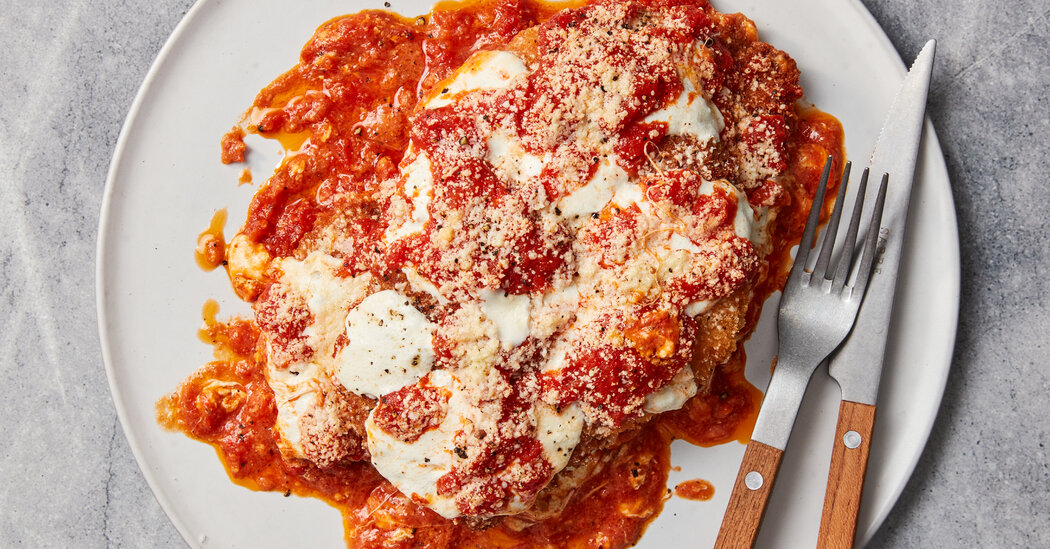
Chicken Parmesan, or Chicken Parmigiana, is more than just a dish; it's a culinary hug, an elegant weeknight favorite gracing dinner tables with its irresistible combination of tender chicken, crispy breading, rich marinara, and a blanket of golden, melty cheese. The magic lies in its perfect balance of textures and flavors – the crunch of the coating, the juicy chicken within, the tangy sweetness of the tomato sauce, and the savory, gooey embrace of Parmesan and mozzarella. For more insights into this classic, explore chicken parmesan - Article 1, which delves into its origins and fundamental preparation.
The Anatomy of a Perfect Chicken Parmesan
A truly exceptional chicken parmesan recipe hinges on a few key elements, each contributing to the dish's iconic appeal. It begins with quality chicken breasts, typically pounded thin for even cooking and tenderness. These are then lightly fried, a crucial step that imbues the chicken with its characteristic crisp exterior. Following this, the chicken is baked, allowing it to meld beautifully with a vibrant marinara sauce and a generous topping of not one, but two kinds of golden, melty cheese.
- Tender Chicken Breasts: The foundation of the dish. Pounding them to a uniform thickness ensures they cook evenly and remain succulent.
- Crispy Breading: Achieved through a careful breading process and a quick, hot fry, creating essential texture contrast.
- Rich Marinara: A high-quality sauce provides necessary moisture and a burst of tomato flavor, balancing the richness of the chicken and cheese.
- Golden, Melty Cheese: A harmonious blend, typically mozzarella for its incredible melt and stretch, and Parmesan for its sharp, salty depth.
Understanding these components is the first step towards mastering this iconic dish at home, transforming it from a mere meal into an unforgettable dining experience.
Mastering the Crispy Chicken Foundation
The "crispy" in crispy chicken parmesan is not just an adjective; it's a promise, and fulfilling that promise requires attention to detail during the breading and frying stages. This process is where the dish truly begins to take shape, setting the stage for the flavorful layers to come.
Preparing the Chicken for Perfection
Begin with boneless, skinless chicken breasts, pounded to an even 1/2-inch thickness. This ensures uniform cooking and prevents drying. Use a meat mallet between plastic wrap. Season lightly with salt and pepper before breading.
The Art of Breading: Achieving that Golden Crunch
The breading process is a classic three-step dredge, crucial for a crisp, adhering coating. Panko breadcrumbs are recommended for extra crunch, as they are flakier and absorb less oil than traditional breadcrumbs.
- Flour: Lightly dredge seasoned chicken to create a dry surface for the egg to cling to. Shake off any excess.
- Egg Wash: Dip floured chicken into beaten eggs (often with a splash of milk or water), ensuring both sides are well coated.
- Breadcrumbs: Coat thoroughly with breadcrumbs, pressing firmly to ensure adherence. Mix fresh, finely grated Parmesan into crumbs for added savory flavor.
Pro Tip: Organize your dredging station (flour, egg, crumbs) and use separate hands for wet and dry ingredients to maintain clean hands and prevent clumping.
The Light Fry: Securing the Crispness
The light fry focuses on creating a golden, crispy exterior, not fully cooking the chicken. Heat a neutral oil with a high smoke point (like canola or vegetable oil) to medium-high (350-375°F / 175-190°C) in a large skillet. You need enough oil to come about a quarter-inch up the sides of the chicken.
- Fry breaded chicken in batches for 2-3 minutes per side until golden brown and crispy, cooking about halfway through. Do not overcrowd the pan to maintain oil temperature.
- Transfer the fried chicken to a wire rack set over a baking sheet to drain excess oil, preserving crispness.
This quick fry not only adds texture but also a depth of flavor that baking alone cannot achieve. For more breading techniques and frying tips, see chicken parmesan - Article 3.
Building Layers of Flavor: Sauce and Cheese
With the crispy chicken foundation laid, the next step is to introduce the rich, vibrant flavors of the marinara and the creamy, savory indulgence of melted cheese. These layers transform the fried chicken cutlet into the iconic chicken parmesan we know and love.
The Heart of the Dish: Rich Marinara Sauce
The marinara sauce is vital, offering moisture, acidity, and a sweet, savory counterpoint to the fried chicken and rich cheese. While homemade marinara provides unparalleled depth, a good quality store-bought sauce can be significantly enhanced:
- Enhance Store-Bought: Sauté minced garlic and onions, add a pinch of red pepper flakes for subtle heat, a touch of sugar to balance acidity, and fresh basil or oregano.
- Homemade: Focus on ripe, high-quality crushed tomatoes, slow simmering to develop deep flavors, and aromatic herbs.
Warm the sauce before assembly; this helps the dish bake more evenly and shortens the overall baking time.
The Golden Embrace: A Duo of Melty Cheeses
The classic combination of "two kinds of golden, melty cheese" is crucial for chicken parmesan. The standard pairing involves:
- Low-Moisture Mozzarella: Your go-to for incredible melt and stretch. Shred your own from a block for best results, as pre-shredded varieties often contain anti-caking agents that hinder a truly smooth melt.
- Parmesan Cheese (Parmigiano-Reggiano): Freshly grated, this cheese brings a powerful punch of salty, nutty, and umami flavors. It’s the "Parmesan" in "Chicken Parmesan" for a reason, providing essential depth.
Consider Provolone for a sharper, more pronounced flavor profile, or a sprinkle of ricotta for added creaminess as delightful variations.
Assembly and Baking: Bringing it All Together
Assembly is simple once the chicken is fried and the sauce and cheese are ready:
- Spread a thin layer of marinara sauce on the bottom of a baking dish to prevent sticking and add flavor.
- Arrange the crispy chicken cutlets atop the sauce in a single layer.
- Spoon more marinara sauce generously over each chicken breast.
- Pile a mixture of shredded mozzarella and grated Parmesan over each piece of chicken.
- Bake in a preheated oven (375-400°F / 190-200°C) for 15-20 minutes until the chicken is cooked through, the sauce is bubbly, and the cheese is gloriously golden brown and melted. A brief broil at the very end can perfect the cheese crust.
This baking process not only finishes cooking the chicken but also allows the flavors to meld, creating that harmonious, irresistible dish.
Serving Suggestions and Creative Twists
A classic chicken parmesan is a meal in itself, but perfectly chosen accompaniments can elevate the dining experience, transforming an elegant weeknight favorite into a truly special occasion. Its versatility also lends itself to various dietary considerations and flavor preferences.
Classic Pairings for a Complete Meal
For a traditional Italian-American dinner, timeless pairings include:
- Pasta: A bed of al dente spaghetti, linguine, or fettuccine, tossed with extra marinara sauce, is the quintessential partner.
- Crusty Bread: A warm loaf of Italian bread or garlic bread is perfect for soaking up every drop of delectable sauce.
- Simple Green Salad: A light, crisp salad with a vinaigrette dressing offers a refreshing contrast, cutting through the richness.
- Steamed Vegetables: Asparagus, green beans, or broccoli lightly steamed and seasoned provide a healthy, vibrant side.
Lighter Options and Dietary Adaptations
For lighter, low-carb options, chicken parmesan is surprisingly adaptable:
- Zucchini Noodles (Zoodles): A fantastic fresh, low-carb alternative to traditional pasta.
- Cauliflower Rice: Can also provide a lighter, seasoned foundation for the chicken.
- Eggplant Parmesan: While not chicken, it's a popular vegetarian variation using a similar preparation method with sliced eggplant.
Creative Twists and Flavor Enhancements
Don't be afraid to experiment and personalize your dish:
- Spice It Up: Add extra red pepper flakes to your marinara or even to the breading for a fiery kick.
- Herbaceous Layers: Incorporate fresh basil, oregano, or parsley into the breading mixture, the marinara, or as a fresh garnish.
- Toppings: Add sautéed mushrooms or bell peppers on top of the sauce before the cheese for extra texture and flavor.
- Cheese Variations: While mozzarella and Parmesan are classic, a layer of smoked provolone or even a touch of creamy ricotta can introduce new dimensions.
Why Chicken Parmesan Remains a Beloved Classic
From family dinners to restaurant tables, chicken parmesan holds a special place in the culinary world. Its enduring popularity stems from its undeniable deliciousness, comforting familiarity, and ability to satisfy on multiple levels. It successfully marries crispness with tenderness, tang with richness, and simplicity with elegance. It’s a testament to the power of well-chosen ingredients and thoughtful preparation, transforming the humble chicken breast into something truly extraordinary and perpetually adored. Dive into the delightful process of making your own, and understand why this dish continues to capture hearts and taste buds around the globe.
